The work was in eight places, and none of them agreed
Built for client rollouts at a B2B leasing-software company. The version running today holds my own projects instead.
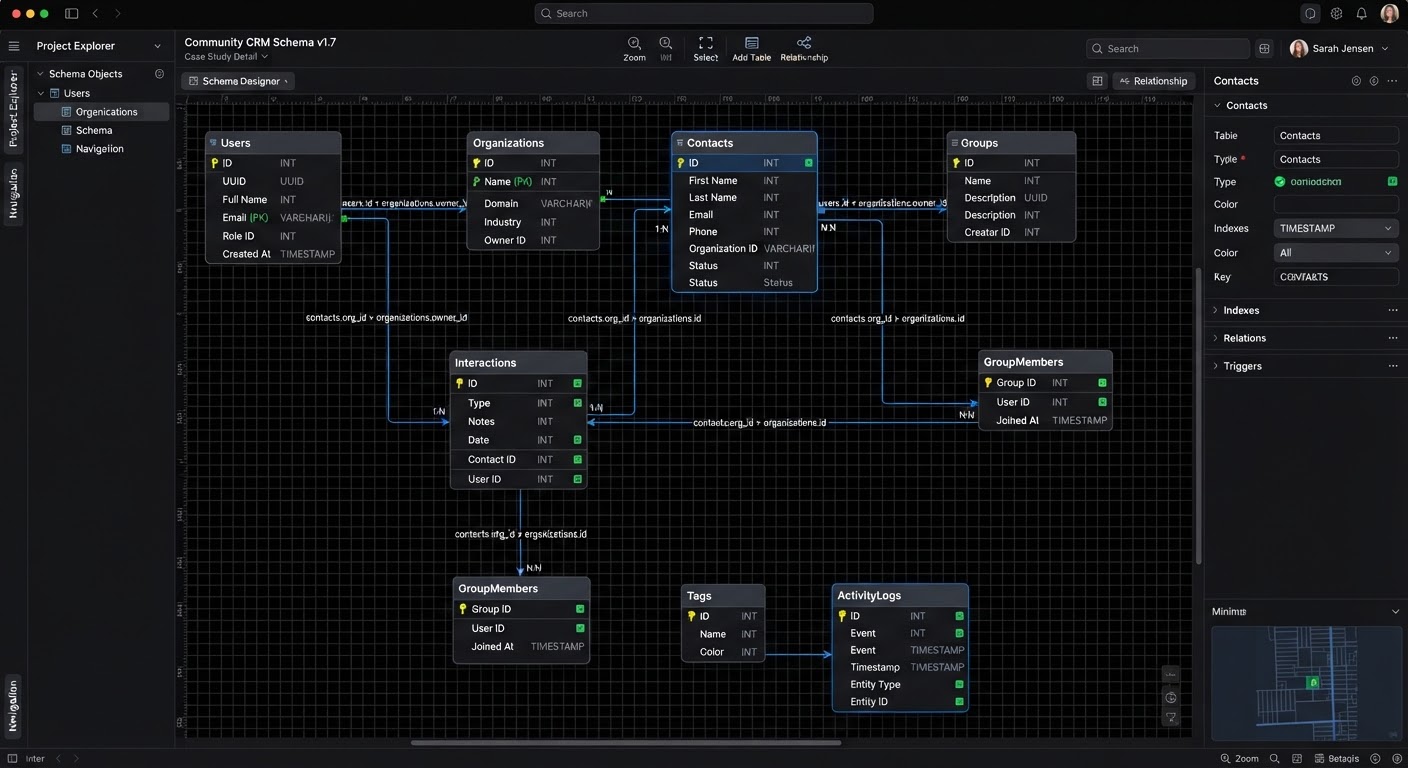
Eight tools held the work, and the decisions were made in meetings and then lived nowhere.
One place that answers what has to happen, who owns it, and by when.
Eight places became one. What was due could be answered by looking instead of by asking.
The problem
Jira held the tickets. Confluence held the documents. Slack held the team, Teams held the client, and Outlook held anything that needed to be official. One department preferred Mattermost, so that held them. The decisions were made in meetings, and after the meeting they lived nowhere at all. Nobody could say what they owed anyone, or when it was due. Tickets stayed open for weeks because no single person owned them. A client problem took days to resolve because the question was in one tool and the answer was in another. Nobody managed expectations, because there was nothing to manage them against. Projects were tracked in Jira, which is a ticket system wearing a project manager’s coat.
What I built
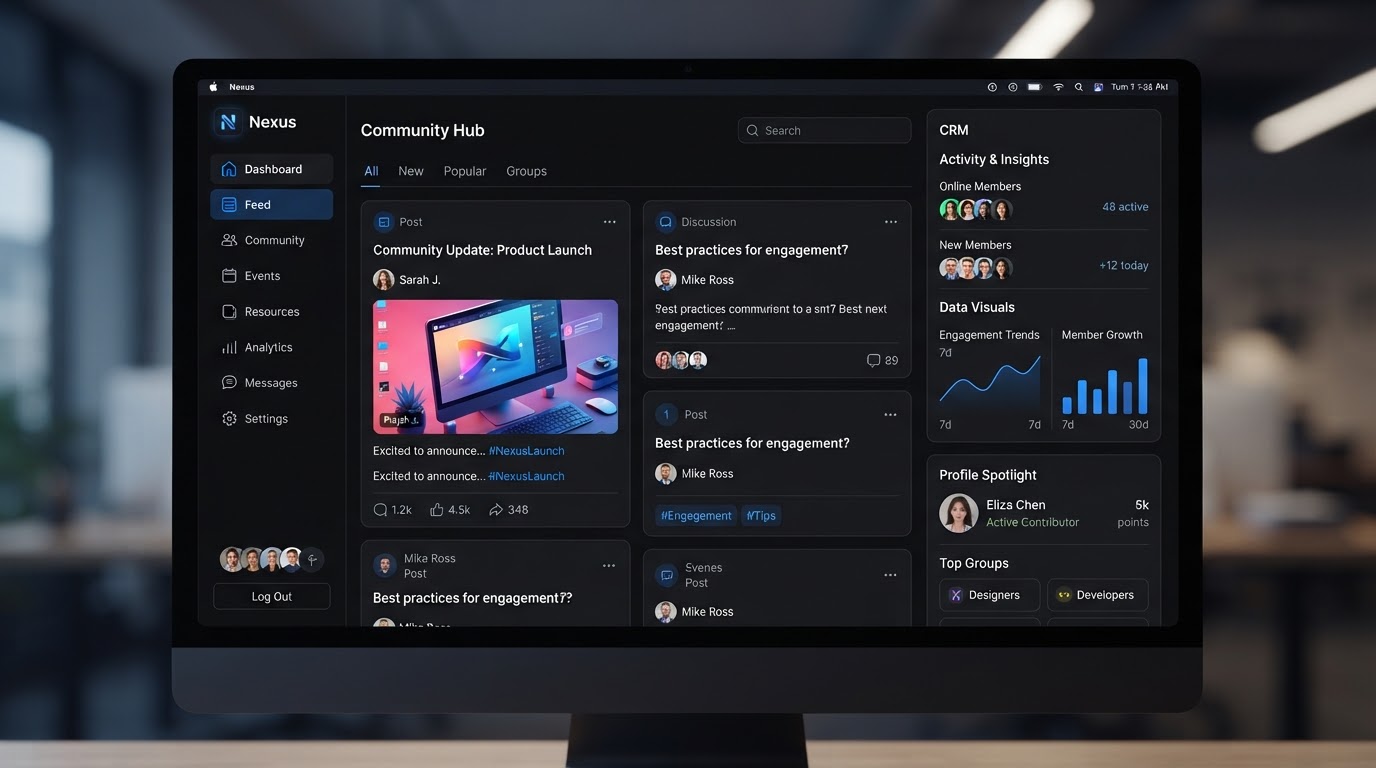
One place that answers three questions without a meeting: what has to happen, who owns it, and by when.
- check_circle
Every commitment in one list, with a name and a date against it.
- check_circle
Status visible without asking the person responsible.
- check_circle
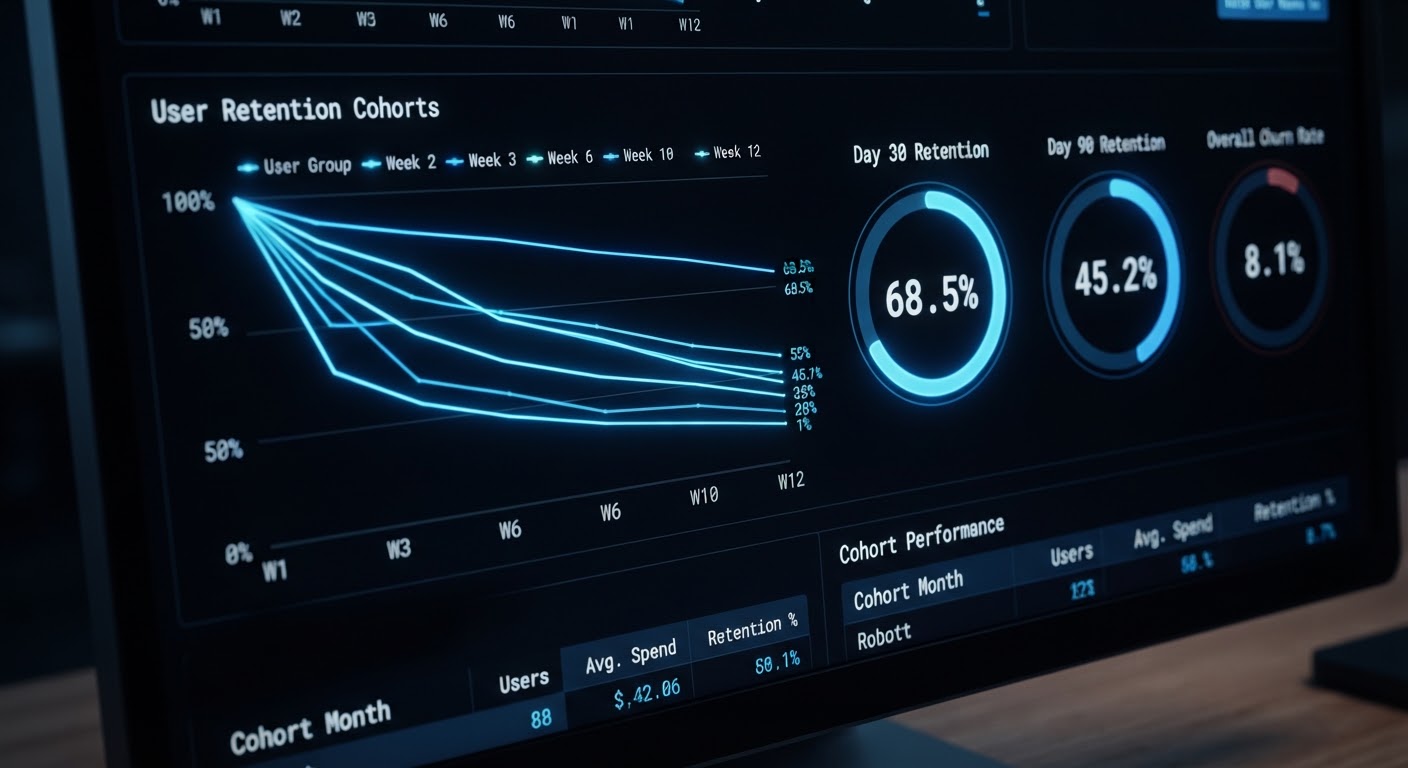
Capacity: what the team owes, against the time it actually has.
- check_circle
Tracking built into the tool, not a report somebody has to remember to write.
- check_circle
A page per client, with open problems, meeting notes, and a record of every decision and who signed it off.
Proof
The hours it gave back were never measured, so there is no number here. What changed is that the question "what is due, and from whom" stopped needing a meeting to answer.
Stack